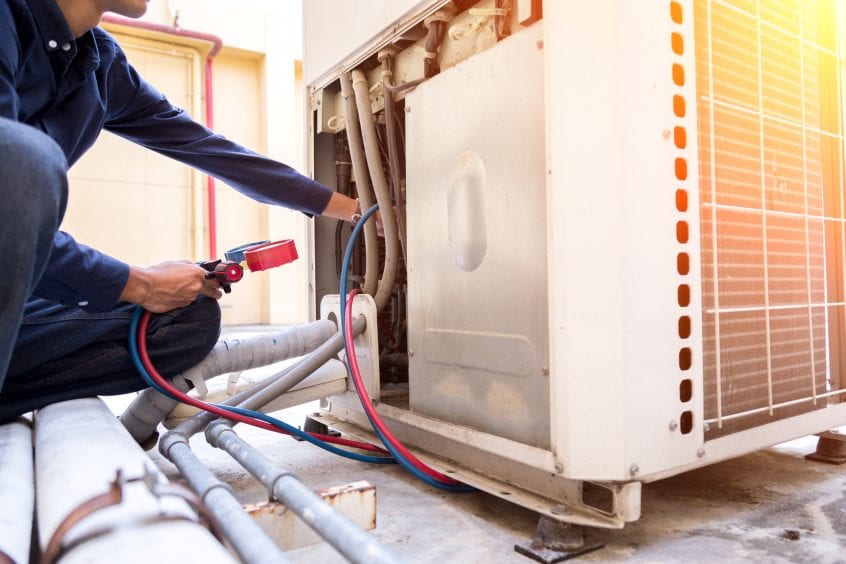
HVAC system repairing refers to the diagnostic, maintenance, and restorative services performed on Heating, Ventilation, and Air Conditioning systems to ensure they operate safely, efficiently, and reliably throughout their lifespan. As HVAC systems are complex assemblies of mechanical, electrical, and thermodynamic components, professional repair services play a critical role in maintaining indoor comfort, air quality, and energy efficiency for residential, commercial, and industrial properties.
At its core, HVAC repair begins with accurate diagnosis. Technicians inspect the system’s major components — including compressors, condensers, evaporator coils, blower motors, fan belts, thermostats, ductwork, refrigerant lines, and control boards — to identify the root cause of malfunction. Common issues that prompt repair calls include insufficient cooling or heating, unusual noises (rattling, grinding, or squealing), foul odors, water leaks, frequent cycling on and off, high energy bills, poor airflow, and complete system failure. A skilled technician uses specialized tools such as multimeters, refrigerant gauges, thermal imaging cameras, and airflow meters to pinpoint problems accurately before recommending a repair plan.
Common Repair Services
Refrigerant leak detection and recharging is one of the most frequent repairs, as low refrigerant levels directly impact a system’s cooling capacity and can damage the compressor over time. Compressor repair or replacement is often considered the most complex and costly service, since the compressor acts as the heart of the cooling cycle. Electrical repairs address faulty wiring, capacitor failures, blown fuses, or malfunctioning relays that can prevent a system from starting or cause it to shut down unexpectedly. Thermostat calibration and replacement resolves temperature inconsistency issues, while duct sealing and repair fixes air leaks that reduce efficiency and increase utility costs. Fan motor and blower repairs restore proper airflow, and coil cleaning removes dirt and debris buildup that hampers heat exchange efficiency. Condensate drain clearing prevents water damage and mold growth caused by clogged drainage lines.
Preventive Maintenance and Its Role in Repair
Many HVAC repair providers also emphasize preventive maintenance as a way to reduce the frequency and severity of breakdowns. Routine maintenance visits typically include filter replacement, coil cleaning, refrigerant level checks, electrical connection tightening, lubrication of moving parts, and overall system performance testing. Regular maintenance not only extends equipment lifespan but also helps identify minor issues before they escalate into costly emergency repairs, making it a cost-effective complement to reactive repair services.
Emergency and Scheduled Repair Services
Reputable HVAC repair companies typically offer both emergency, same-day repair services for urgent breakdowns — particularly critical during extreme weather conditions — and scheduled appointments for non-urgent issues. Response time, availability of replacement parts, and technician expertise are key differentiators among service providers. Many companies also provide warranties on parts and labor, giving customers confidence in the durability of the repair work performed.
Types of Systems Serviced
HVAC repair services generally cover a wide range of system types, including split air conditioning systems, ducted central air systems, package units, heat pumps, furnaces, boilers, ventilation fans, air handling units, and chilled water systems. Technicians are trained to work across various brands and system architectures, adapting their diagnostic and repair approach to the specific technology involved, whether it’s a simple residential split unit or a complex commercial rooftop package unit.
Why Professional Repair Matters
Attempting DIY repairs on HVAC systems can be risky due to the presence of high-voltage electrical components, pressurized refrigerant, and complex mechanical parts. Improper handling can lead to safety hazards, further equipment damage, or void manufacturer warranties. Professional technicians are trained and often certified (such as EPA certification for refrigerant handling) to perform repairs safely and in compliance with local regulations. Their expertise ensures that repairs are not just quick fixes but long-term solutions that restore system performance while minimizing the risk of recurring problems.
In summary, HVAC system repairing is an essential service category that combines technical expertise, diagnostic precision, and component-level knowledge to keep heating and cooling systems functioning efficiently. Whether addressing a minor airflow issue or a major compressor failure, professional HVAC repair services help property owners maintain comfort, protect their investment, and avoid the higher costs associated with neglected system failures.